Artificial Grass Installation: The Sustainable Alternative for Your Lawn
Putting down synthetic turf serves as a workable substitute for residents pursuing a sustainable lawn solution. Its strength and easy care requirements present notable gains over traditional grass. As water preservation becomes progressively essential, synthetic grass provides a viable response to environmental concerns. Still, the decision to install synthetic turf requires many considerations that deserve careful analysis. What elements should residents evaluate before making the transition to this sustainable option?
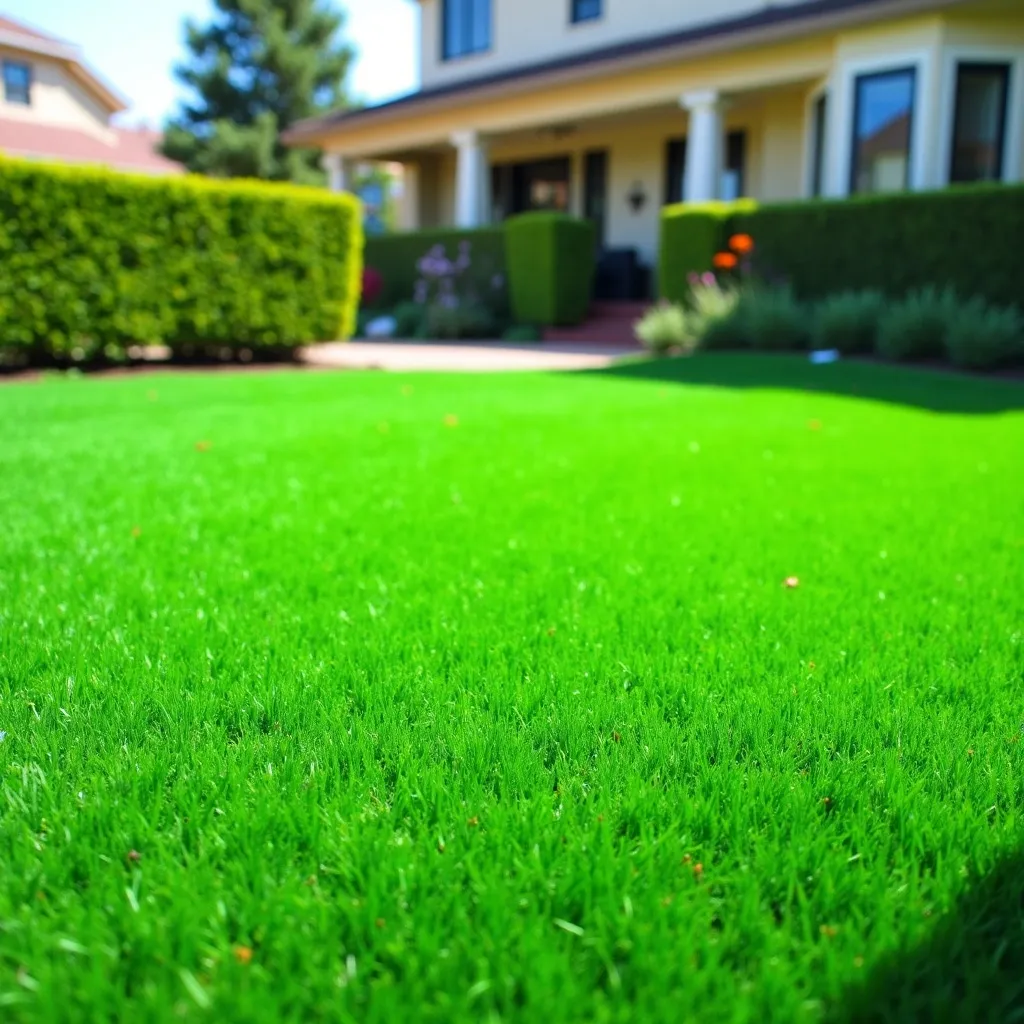
Learning About Synthetic Turf: Fundamental Qualities and Merits
Synthetic turf has become a popular option to natural grass, offering numerous perks for various applications. One of its primary attributes is robustness; synthetic grass can withstand heavy foot traffic and extreme weather conditions without breaking down. This resilience makes it an excellent choice for sports fields, playgrounds, and residential lawns.
Additionally, artificial grass requires low maintenance versus natural grass. There is no need for mowing, watering, or fertilizing, resulting in substantial time and cost savings for homeowners and facility managers alike.
Moreover, artificial grass is environmentally friendly, as it conserves water and eliminates the need for dangerous chemical treatments.
With improvements in technology, modern synthetic turf mimics the appearance and feel of natural grass, offering aesthetic appeal without the drawbacks. These features combined make synthetic turf a viable and attractive option for a wide range of uses.
Installing Synthetic Turf: A Detailed Instruction Guide
When reviewing the benefits of synthetic turf, the next logical step is comprehending the installation process.
The opening phase entails site preparation, which includes clearing the area of present grass, weeds, and debris. Next, a foundation of gravel or stone is positioned to guarantee proper water flow and stability. Following this, a protective fabric is applied to inhibit unwanted vegetation.
Once the base has been readied, the synthetic turf rolls are extended and aligned, permitting proper alignment. The edges are secured with stakes or adhesive, verifying a seamless appearance.
After placement, a coating of infill material, such as rubber or sand, is applied evenly to deliver stability and weight. Finally, the turf is brushed to elevate the strands and produce a natural look.
Executing these procedures creates a durable, low-maintenance lawn that elevates both aesthetics and usability.
Why Pick Synthetic Turf? Environmental and Practical Rewards?
Installing artificial grass provides numerous practical and environmental advantages that make it an attractive option for numerous homeowners and businesses. One major advantage is water conservation; artificial turf eliminates the need for routine irrigation, which is especially advantageous in arid regions.
In addition, it cuts down the dependence on toxic pesticides and fertilizers, encouraging a healthier ecosystem.
From a practical standpoint, synthetic turf calls for minimal servicing, saving hours and dollars on turf maintenance. It keeps rich and verdant throughout the year, presenting a reliable aesthetic appeal without cyclical changes.
In addition, synthetic turf is durable, able to withstand heavy foot traffic and various weather conditions, making it well-suited for both residential and commercial applications.
These aspects not only strengthen the operational efficiency of outdoor spaces but also bolster sustained eco-friendliness, showcasing synthetic turf as a preferable choice for planet-aware customers.
Critical Considerations for Synthetic Turf Implementation
Numerous elements must be reviewed before undertaking synthetic turf installation. First, it is important to evaluate the proposed purpose of the area. Different types of synthetic turf are designed for distinct activities, such as sports or residential outdoor design.
Second, the regional climate conditions should be taken into consideration; some materials may withstand heat better than others.
Site readiness is another critical consideration, requiring adequate drainage and a level surface to guarantee longevity and effectiveness. Furthermore, pertinent information likely local regulations or homeowners' association guidelines may impact installation decisions.
Selecting the appropriate infill substance is crucial for longevity and ease, as it impacts both the look and feel of the turf.
Lastly, opting for a esteemed installer can markedly determine the quality and longevity of the installation. By addressing these elements, occupants can formulate deliberate decisions that most ideally correspond to their needs and enhance their outdoor spaces.
Caring for Your Synthetic Turf Lawn
Keeping your synthetic turf lawn in good condition requires a dependable cleaning regimen for guaranteeing its longevity and appearance.
Consistent upkeep includes tackling any issues and implementing repair techniques as necessary.
Maintain a consistent cleaning schedule
A consistent cleaning schedule is essential for preserving the look and durability of synthetic turf lawns. Routine upkeep helps avoid debris buildup, minimizes odors, and improves aesthetic appeal.
Property owners should work to clear leaves, twigs, and other organic materials at least once a week, especially during fall. Additionally, flushing the turf with water once a month can help get rid of dust and allergens, ensuring a fresh look.
For high-traffic areas, more frequent attention may be required to preserve the turf's integrity. In colder months, snow and ice should be gently cleared to avoid damaging the blades.
Detecting and Repair Advice
Identifying and handling problems without delay is essential for maintaining the integrity of synthetic turf lawns. Continuous inspections should be executed to spot traces of damage, such as tears, unraveling, or uneven surfaces.
If a damage is detected, immediate action is imperative. Minor tears can be rectified with specialized adhesive or turf tape, assuring a secure bond without compromising appearance. For larger issues, professionals may be required to replace sections of turf.
In addition, keeping the base material intact is important; any movement can result in additional concerns. Routine brushing helps keep an even appearance and can also reveal underlying problems.
Cost Analysis: Synthetic Turf vs. Natural Grass
When examining the costs of man-made grass to organic grass, initial installation expenses hold substantial weight.
Furthermore, extended maintenance expenses can markedly shape the overall financial commitment of each option.
A detailed review of these factors demonstrates crucial details for potential buyers.
Starting Setup Fees
Initial setup expenses are crucial in the decision-making process for homeowners and municipalities considering synthetic turf versus natural grass.
Generally, the initial expenses for synthetic turf can vary from $5 to $20 per square foot, based on quality and installation complexity. In contrast, natural grass installation usually costs between $1 to $2 per square foot.
However, the total expenditure in natural grass can increase considerably due to soil preparation, watering systems, and ongoing maintenance needs.
Property owners and local authorities must compare these first-time expenses against the achievable future returns of synthetic turf, such as reduced water usage and lower maintenance requirements.
In the end, grasping these costs supports making knowledgeable, sustainable landscaping decisions.
Ongoing Maintenance Expenses
Prolonged upkeep costs significantly influence the overall cost-effectiveness of synthetic turf compared to natural grass.
Natural grass calls for constant expenses, encompassing routine trimming, application of fertilizers, consistent moisture, and pest and disease prevention, which can accumulate quickly over time. Homeowners may spend hundreds to thousands of dollars per annum to upkeep a thriving grass landscape.
On the other hand, artificial grass demands little upkeep, primarily occasional cleaning to eliminate dirt. Although the initial cost in synthetic turf may be higher, the lower long-term costs make it an appealing alternative.
Furthermore, artificial grass eliminates irrigation fees associated with irrigation, further enhancing its long-term savings over time.
Ultimately, the monetary benefits of artificial grass care can result in substantial savings for property owners in the long term.
Dispelling Widespread Misconceptions Regarding Synthetic Turf
Although numerous individuals hold misconceptions about synthetic turf, grasping the truth can result in informed decisions. One prevalent myth is that synthetic turf is harmful to the ecosystem; however, many items are made from recycled materials and are designed to be long-lasting, reducing waste.
Another common belief is that synthetic turf requires extreme heat management, but modern installations often feature efficient cooling technologies that mitigate temperature issues.
Additionally, some critics argue that artificial grass promotes synthetic chemicals; yet, improvements in materials have significantly decreased the need for harmful filler materials.
Finally, the idea that synthetic grass cannot support biodiversity is deceptive; many installations can coexist with native plants, offering habitats for local wildlife.
Frequently Asked Questions
How Long Does Synthetic Turf Endure Before Needing Replacement?
Manufactured turf usually functions between 15 to 25 years before needing replacement. Components influencing longevity include quality, maintenance routines, and environmental conditions, which can greatly impact its durability and overall performance over time.
Pets and Synthetic Turf: Is It Sound for Them?
Pets can safely use synthetic turf, as it is designed to be long-lasting and harmless. Regular upkeep ensures hygiene, making it a sensible option for pet owners looking for a easy-to-care-for, pleasant outdoor space for their animals.
Can Synthetic Turf Soak Up Heat During Bright Weather?
Yes, artificial grass does absorb heat in sunny weather, considerably raising surface temperatures. This can result in discomfort for both pets and humans. Frequent irrigation or selecting lighter-colored turf can help mitigate this heat absorption.
What Are the Options for Artificial Grass Colors and Styles?
Artificial turf options cover multiple colors, including intense greens, deep browns, and specialty shades. Styles vary between true-to-life mimicry of natural grass to artistic designs, meeting varied aesthetic preferences and functional needs.
In What Ways Does Synthetic Turf Influence Native Wildlife?
Synthetic grass can interfere with local animal populations by altering habitats and decreasing natural food sources. Its lack of flexibility may deter certain animals from foraging or nesting, potentially leading to reduced biodiversity in the affected areas.